
About Nazso and how we work
Nazso is an editorial site about fashion and clothing, based in New York at 452 W Broadway. We publish trend analysis, brand notes, wardrobe guidance, and material care information for readers in the United States. We don't sell clothing, and no page on this site exists to sell you something.
The sections below explain who writes the coverage, how it's researched, and what standards we hold ourselves to when describing brands and trends.
What this site is for
Nazso exists to make the fashion conversation readable. Most coverage of a season either assumes you already know the references or reduces everything to a shopping list. We try to do neither, explaining what's changing in silhouettes and materials, then connecting it to how people actually get dressed.
That means the site has a clear boundary. We describe brands, we don't promote them. We explain trends, we don't tell you to follow them. When a claim can't be verified, we say so rather than repeating it.
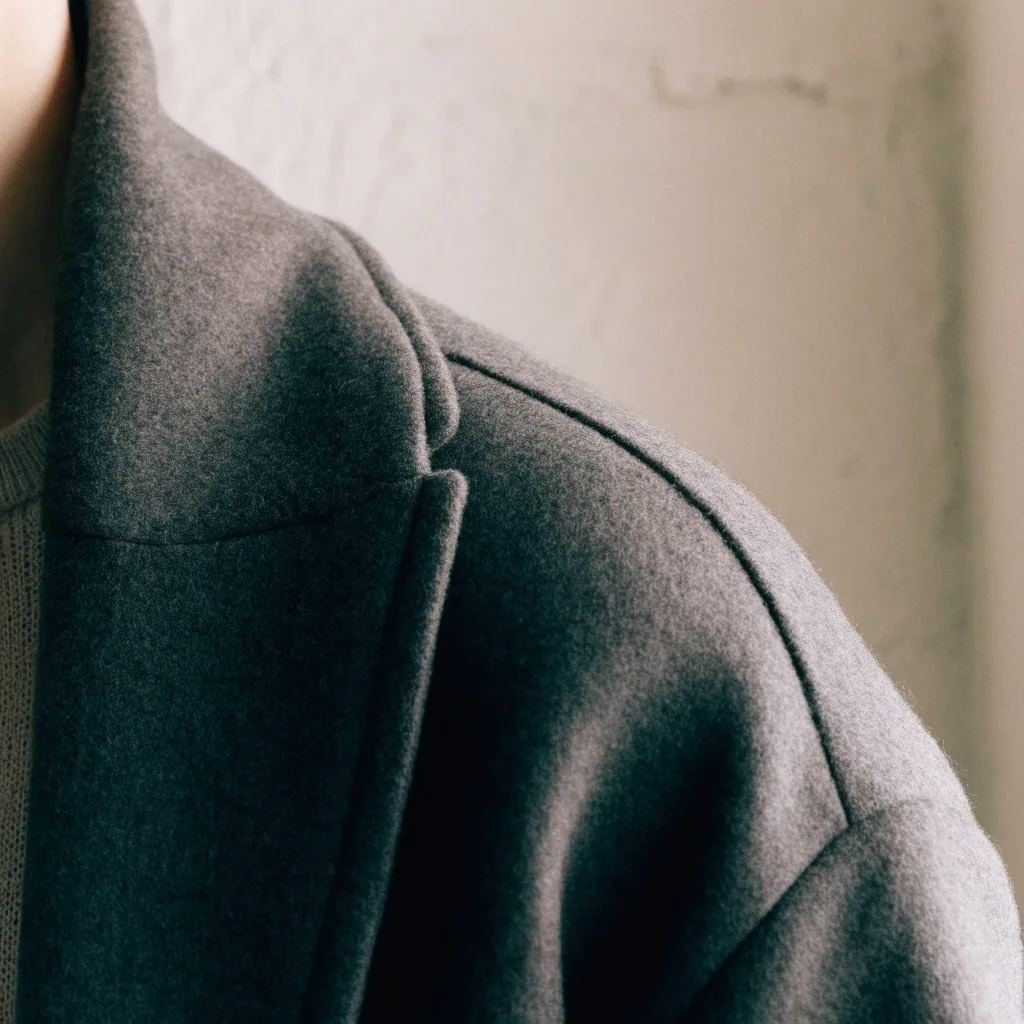
Proportion and material read differently at shoulder height — the crop we use most often when a trend needs explaining rather than illustrating.
Who writes the coverage
The editorial team writes and edits everything published here. Coverage is produced by people who follow the seasonal shows, the material shifts, and the way clothing is discussed in the US market, and who are more interested in how a garment behaves over years than in how it photographs in a single season.
We're a small operation. That affects what we cover: fewer pieces, more depth, and a preference for explaining a proportion properly over covering every show on the calendar.
Because the team is small, the reading list is deliberate. We'd rather return to a silhouette three months later and see whether it held than publish a first impression and move on.
How trend notes are researched
Trend notes begin with the shows and the season's reporting, then move to the practical question of how a direction lands in ordinary clothing. We look for patterns across multiple houses rather than treating a single runway as a verdict, and we weight proportion and material changes more heavily than styling choices, since those are what transfer to mainstream clothing.
We also track what's happening in US stores and on the street, because that's where a trend either takes hold or doesn't. A direction that only exists in editorial coverage isn't useful to a reader deciding what to wear.
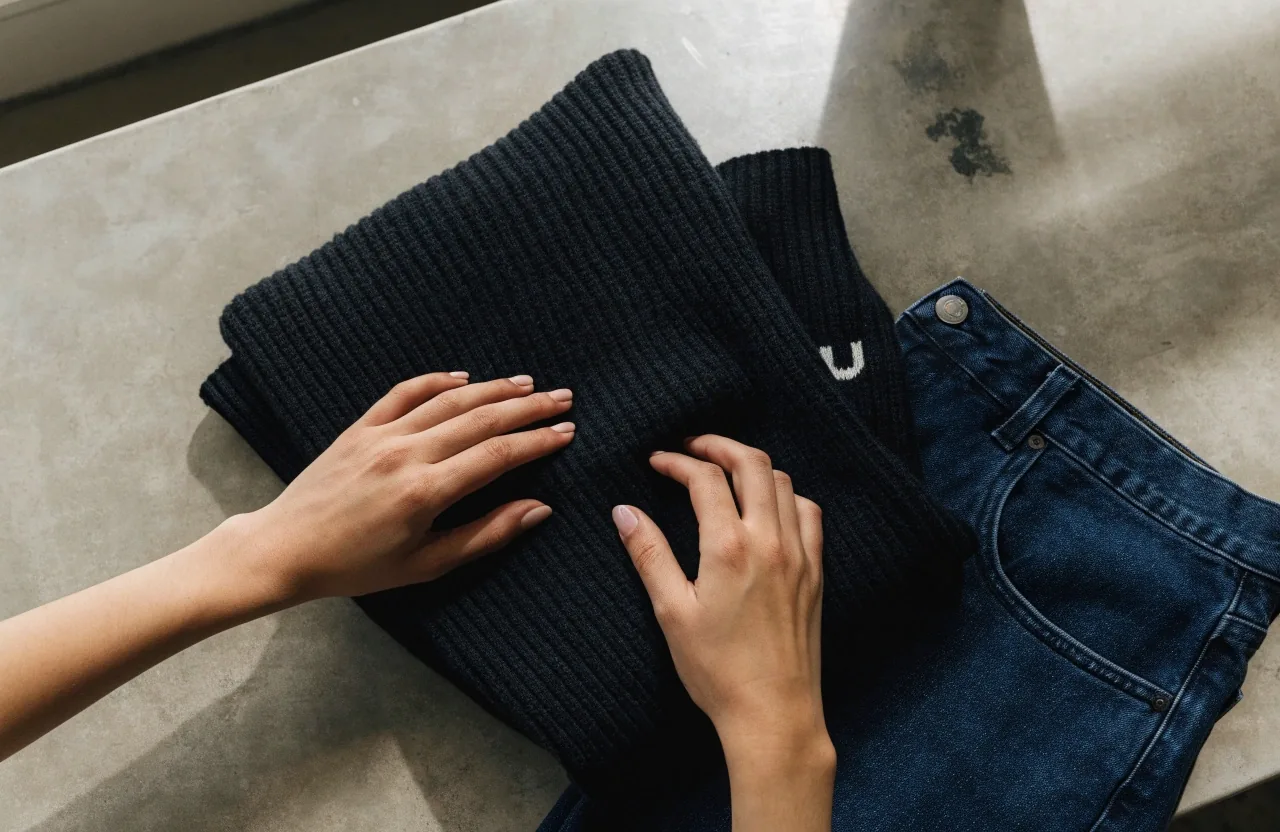
Material first: what a knit and a denim actually do after a season of wear is the question most trend pieces skip.
How brand notes are written
Brand notes describe what a house stands for, its signature silhouettes, and its direction in the current season. They're written from coverage and publicly stated information, not from press materials supplied with conditions attached. No brand pays for placement, and none of these pages contains a purchase link.
We aim for accuracy over enthusiasm. If a house's influence is conceptual rather than practical, the note says that. If a direction doesn't translate into ordinary clothing, we explain why rather than pretending otherwise.
The result is a slower read than a season roundup. A brand note takes longer to write because the useful question — what does this house actually change in a wardrobe? — has no shortcut.
See how we cover brandsA house's signature silhouette is only useful to a reader once you can say how it changes the way a coat falls.
— the test every brand note has to pass before it goes up.
Our editorial standards
Three rules govern what we publish. Claims need support: if a brand states a figure, we attribute it to the brand rather than presenting it as an established fact. Language needs to be checkable: we avoid terms that sound meaningful but describe nothing. And coverage needs to serve a reader: if a page doesn't help someone understand or use what they're reading, it doesn't belong here.
We also correct errors publicly. If a brand note or trend piece gets something wrong, we revise it and note the change.
A number a brand states is attributed to that brand, in the sentence where it appears. We don't launder it into a fact by dropping the source.
If a phrase can't be checked against something a reader could look up, it gets rewritten or cut. Words that flatter a garment without describing it don't survive editing.
Every piece has to help a reader understand a silhouette, a material, or a house. If it doesn't, it's a mood board, and mood boards aren't published here.
What we don't do
We don't sell clothing, run affiliate links, or publish sponsored brand notes. We don't collect personal data beyond what's needed to respond to a message. And we don't present unverified sustainability figures as though they were independently confirmed, which is why brand-stated numbers appear here with the brand attached.
That last point matters more each season, as environmental language becomes more common on labels and in coverage. Our approach is to describe what's claimed, then explain how a reader might evaluate it — asking what the claim measures, over what period, and who checked it.
Corrections and reader input
Readers catch things we miss, and we'd rather hear about it than not. Corrections, disagreements with a piece of analysis, and questions about how something was researched are all welcome through the contact page.
We read everything that arrives. We can't respond to every message individually, but substantive corrections get checked and, when warranted, published as a revision — with a note on the page saying what changed and when.
If this is how we work, here's what we've published
Questions about how something was researched?
Send a note to the editorial desk and it gets read by a person, not a queue. Corrections, sourcing questions, and disagreements are all worth the message.