
Seasonal trends and the silhouette shifts behind them
This is where we track what is actually changing in clothing right now, and what it means for someone getting dressed in the United States. You will not find a shopping list here.
Read the season's notesEach note works the same way: identify the proportion or material that moved, name the brands driving it, then explain how it lands in an ordinary wardrobe. What you are reading is the reasoning behind what you see in stores and on the street, not a list of things to buy.
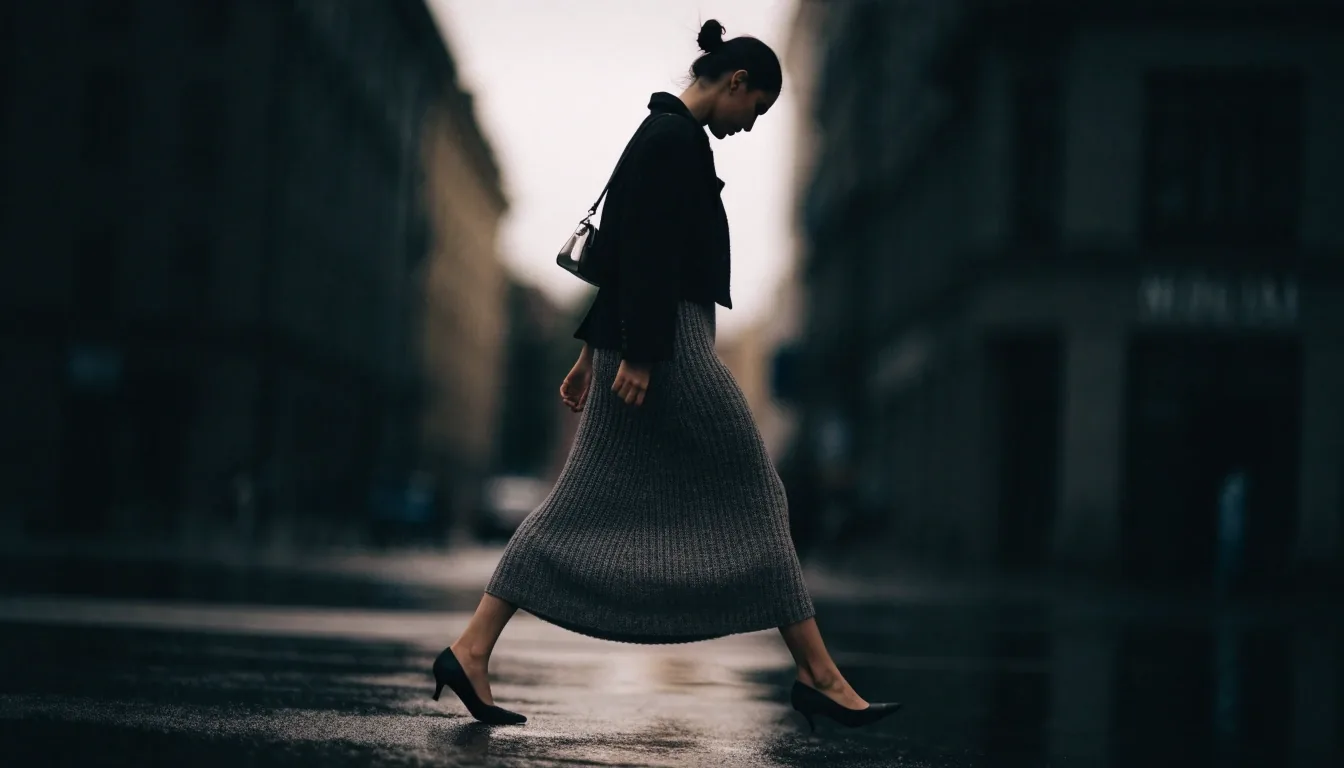
The fall and winter 2026 season has a clear character. Practicality is not in retreat, but the styling around it has gotten bolder, which means the interesting work is in how the two are combined. A cropped layer over a long shirt, a heavier knit under a clean coat: the season rewards people who notice the joint, not the item.
The proportion story of the season
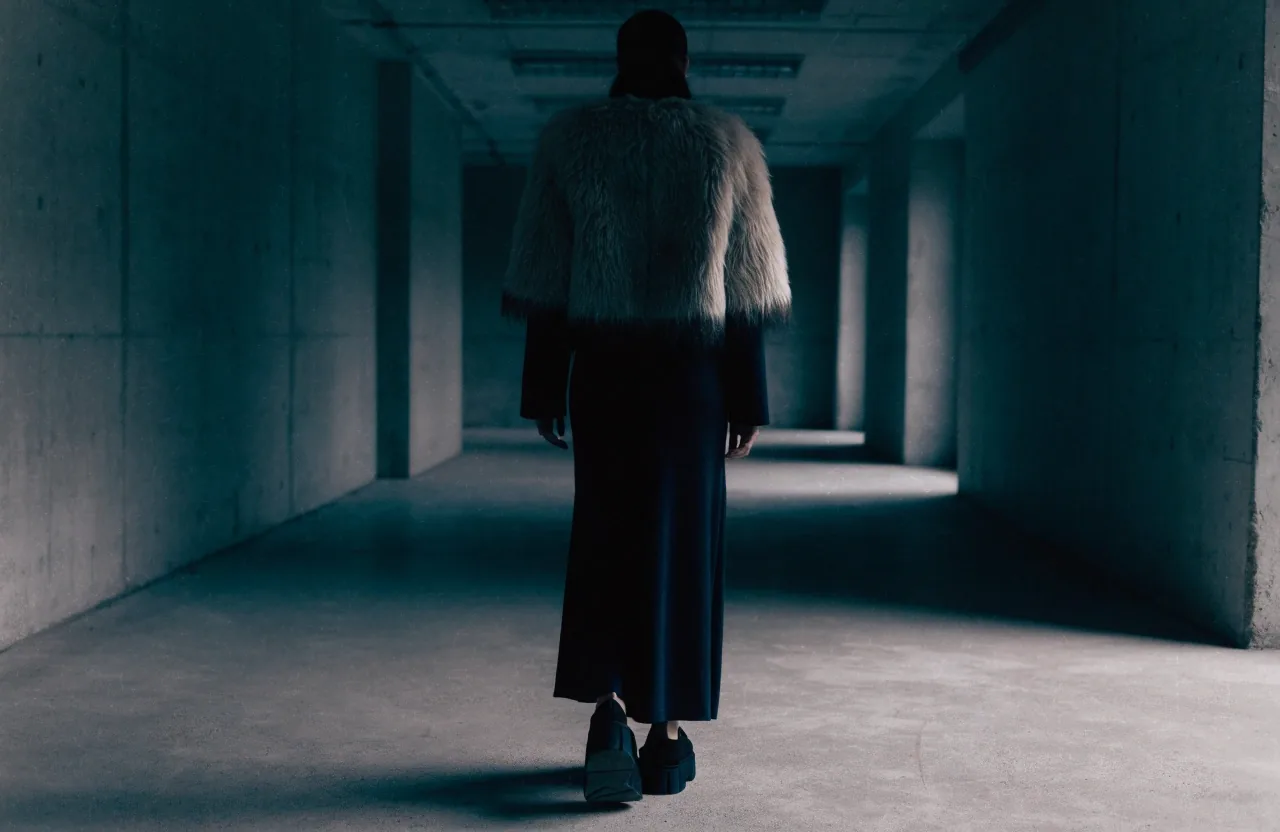
Proportions are moving in two directions at once, and that is the defining feature of 2026. Shorter outerwear is having a moment, particularly cropped jackets and short fur pieces, while at the same time longer, cleaner lines hold their ground in tailoring and knitwear. Saint Laurent's winter 2026 direction sits firmly in the shorter, sharper camp, which is part of why short jackets keep appearing in trend roundups.
For a real wardrobe, this means the jacket length you choose now does more visual work than the color. A cropped layer over a longer shirt or dress creates a deliberate break in the line. Worn over something equally short, the same jacket reads differently. Neither is wrong, but only one of them looks considered.
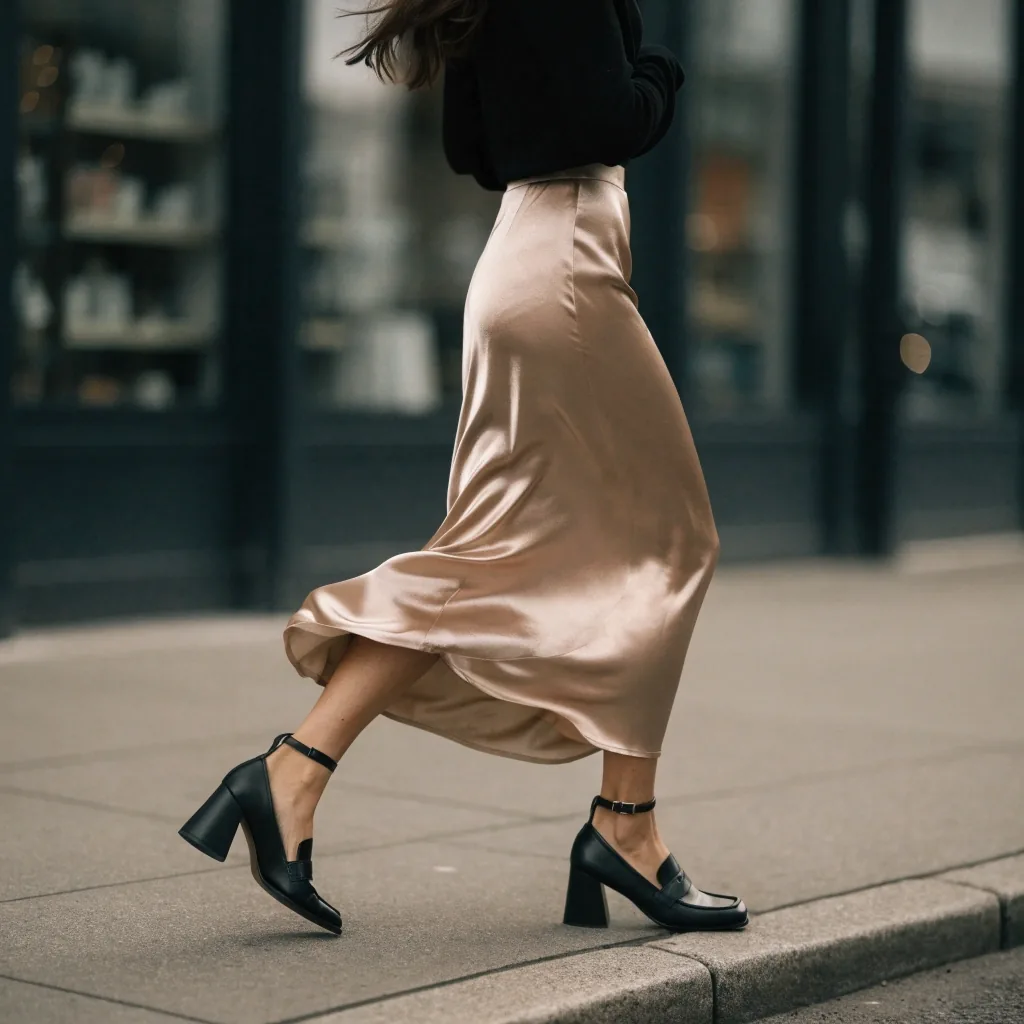
Hem placement does more work than print. Where the skirt ends decides the read of the whole outfit.
Why shoulders and hems matter more than prints
A print is easy to spot and easy to replace. A shoulder line changes how everything else falls. That is why we lead with structure: widened shoulders, defined waistlines, and hemlines that sit at specific points on the leg. Balenciaga's runway work has kept sharp, sometimes confrontational silhouettes in the mainstream conversation, and even when the exact shape does not transfer, the emphasis on line does.
Hems are the quieter half of this. Where a skirt or trouser ends determines the proportion of the whole outfit, and small adjustments, an inch or two, change the read entirely. When a season emphasizes hem placement, it is usually asking you to rethink shoes and layers along with it.
- Does the shoulder sit on your actual shoulder, or slide past it?
- Does the hem land where you want the eye to stop?
- Do the shoes you own work with the new hem line?
Short outerwear and how to wear it
Cropped outerwear is the most visible fall and winter 2026 shift, and it is also the easiest to get wrong. The trick is contrast underneath. A short jacket over a longer knit, a longer shirt hem, or a midi skirt gives the eye two distinct lengths to read, which is what makes the proportion look intentional rather than accidental.
Short fur and shearling-style pieces have been prominent in this conversation, with Saint Laurent among the houses shaping the tone. If the material is not for you, the shape still is. A cropped wool or quilted jacket achieves a similar effect and slots into more situations, which matters if your week includes an office and a commute.
Works over a longer line
A cropped jacket over a knit midi or a long shirt hem. Two lengths, one considered read.
Reads as one block
The same jacket over something equally short. Not wrong, but less deliberate.
Wool and quilted versions
Keep the shape and skip the fur. Easier for offices and commutes.
Textures and opulent fabrics
Fall 2026 has brought a heavier, richer material mood. Ralph Lauren's name appears in that context, alongside opulent textiles and a return to fabric that reads as substantial rather than thin. This is a shift worth noticing because texture is one of the few things that changes an outfit's character without changing its shape.
In practice, one textured piece per outfit is usually enough. A brushed wool coat, a ribbed knit, a suede jacket: each carries visual weight, and stacking several competes rather than layers. The same logic applies to shine. Satin and leather work best when something matte is holding them down.

Color directions, including the purple thread
Color coverage this season has one recurring note: royal purple appearing in fall and winter 2026 discussions, tied in part to Givenchy's direction. Purple is a demanding color in the best sense. It reads as deliberate, which makes it useful for evening and for anyone tired of the neutral rotation.
The practical entry point is small: a glove, a bag, a knit under a coat. Tory Burch's fall/winter 2026 presence has been associated with color and polished styling more broadly, and that is the useful lesson. Color works when the rest of the outfit is composed enough to support it.
Runway to sidewalk: what survives
Not everything transfers, and pretending otherwise wastes your attention. What survives from the runway is usually the proportion, not the styling. When Miu Miu plays with proportions, the underlying idea, a shorter jacket, an unexpected length, an ironic detail on a classic piece, is what shows up in mass-market clothing a season or two later.
What does not survive is the full look. A runway outfit is styled for a photograph, and photographs do not account for a subway ride or a cold morning. Our rule when reading any show: keep the shape, discard the styling, then rebuild it with what you own.
Proportion
Shorter jackets, longer hems. This transfers into ordinary clothing within a season or two.
Worth following
Fabric weight
Heavier textures that hold their shape after repeated wear. Slower to move through the market.
Worth checking
Full styling
Layered exactly as shown. Built for a photograph, not for a commute or a cold morning.
Leave it behind
Materials moving into the mainstream
Two material threads are worth following into 2026. The first is durability, with more attention on fabrics that hold their structure after repeated wear. The second is responsible sourcing, where Stella McCartney's stated 93% sustainable materials for its winter 2026 show is one of the more concrete data points in a field full of vague language.
For readers, the useful question is not whether a brand is sustainable in the abstract. It is whether a specific fabric will still look right in three years and whether the claim on the label can be checked. We cover how to make that judgment on the materials page.
What to look for on a label
Read the fiber content before the story. A blend that keeps its shape after a season of wear is a better signal than a word on a hangtag. If a sourcing claim cannot be traced to a fiber or a process, treat it as a mood rather than a fact.
How to test a trend on yourself
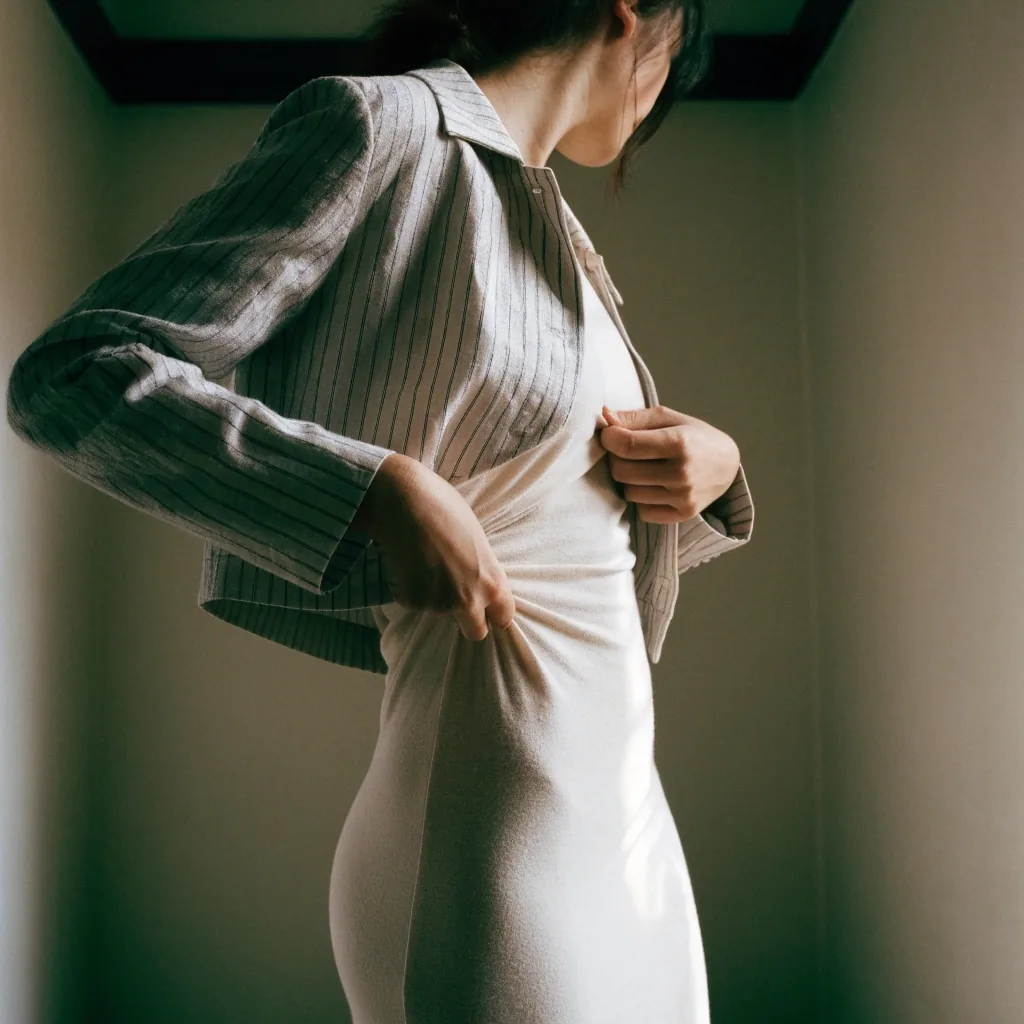
Before adopting anything from this season, try it in one outfit you already own. If a cropped jacket works over a dress you wear regularly, the trend has a place in your wardrobe. If it only works with a specific pair of trousers you would have to buy, it is a runway idea and not a personal one.
Climate is the other filter. A heavy textured coat makes sense in Minneapolis and less sense in Miami, and no trend note should pretend otherwise. Read the direction, then apply the version of it that fits where you live and how you move through the day.
Keep the shape, discard the styling, then rebuild it with what you already own.
Our standing rule when reading a show
Questions readers ask about this season
Short answers to the parts of the fall and winter 2026 shift that come up most often.
Is cropped outerwear going to look dated next season? Open Close
The proportion is doing the work, and proportions move slowly. A cropped jacket over a longer line will keep reading as deliberate as long as long hems and longer knits stay in the conversation, which they have for several seasons running.
How much texture is too much in one outfit? Open Close
One textured piece is usually the right number. A brushed coat with a smooth trouser, or a ribbed knit under a plain wool jacket. Two or three heavy textures in one outfit compete for the same attention and read as heavier than intended.
Should I buy purple if I usually wear neutrals? Open Close
Start small. A glove, a bag, or a knit under a coat carries the color without changing how the rest of your wardrobe behaves. Purple reads as deliberate, which is exactly why it works best when everything around it is quiet.
Does any of this apply if I live somewhere warm? Open Close
Yes, with a substitution. The proportion idea travels, the fabric does not. Where a heavy textured coat would sit unused, a lighter cropped layer or an unlined jacket carries the same shorter line through a mild winter.
Write to the editors
If a note here raises a question about your own wardrobe, tell us what you are working with. We read everything and reply during working hours.
- Address
- 452 W Broadway, New York, NY 10012, USA
- Phone
- +1-212-555-0198
- [email protected]
- Working hours
- Monday–Friday, 9:00 AM – 6:00 PM
The Nazso desk sits on West Broadway. Visits are by appointment during working hours.