
Nazso Editorial · New York
Contact the Nazso editorial team
Questions, corrections, and collaboration notes all land on the same desk. Write to the editors, not a sales counter — nothing on this site is connected to a purchase.
A message that reaches the people who wrote the piece
Corrections are the most useful thing you can send. If a brand note gets a detail wrong, or a trend piece misstates how a fabric behaves, we want to know. Name the page and the specific point, and we will check it against the original coverage.
Questions about how something was researched are welcome too, as are disagreements with an argument we have made. We would rather defend the reasoning or revise it than leave it unexamined.
Write to us
[email protected]Visit the desk
452 W Broadway
New York, NY 10012
USA
Where the desk actually sits
We work from 452 W Broadway in SoHo, between Prince and Spring. Editors are in the room on weekday mornings; the rest of the day is spent writing, so a message usually gets read before a walk-in does.
If you are posting material for a brand note, address it to the editorial team. There is no reception desk and no appointment book.
The studio entrance is on the north side of the block; buzz the second-floor bell.
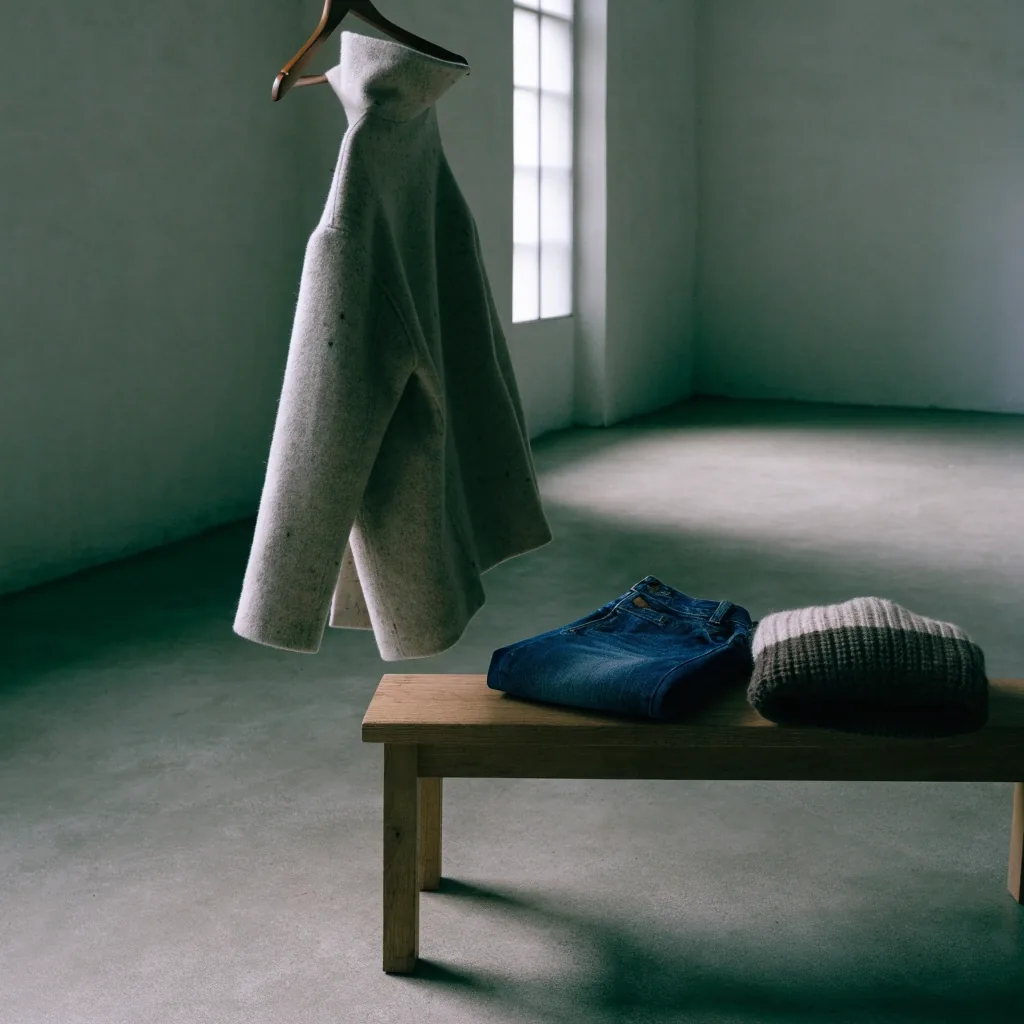
The studio rail, where a brand note gets argued over before it is written.
What to write to us about
Not every message needs the same shape. The rows below describe what each kind of note should contain so it can be checked and answered without a round of questions first.
A correction to a published piece
Name the page, quote the sentence, and say what the correct detail is. If you have the source you used, send it along — it shortens the check considerably.
Answered first
A question about our research
Ask how a claim was reached, what we looked at, or where the limits of a piece sit. We will explain the method, including the parts we could not verify.
Usually within a week
A disagreement with an argument
Tell us which claim you think is wrong and what you would put in its place. A counter-example from your own wardrobe practice is more useful than a general objection.
Read and considered
A factual note from a brand
Seasonal information, a corrected date, or a clarification of how a house describes its own direction. Plain facts travel further here than a campaign.
No conditions attached
Editorial inquiries and pitches
If you write about fashion, materials, or wardrobe practice and want to propose a piece for the journal, send a short description of the angle and why it fits what we publish. We are most interested in arguments that come with a concrete constraint attached: a climate, a budget reality, a specific wardrobe problem.
We are a small team, so we cannot take on everything. Pitches that amount to product coverage or brand promotion are not a fit, regardless of how well they are written. The journal covers how clothing is reasoned about — what holds up over a season, what a fabric does under real wear, how a silhouette reads on an ordinary body.
A useful pitch names its constraint in the first two lines. A piece about layering for a wet coastal winter, or about building a work wardrobe on a fixed monthly figure, tells us immediately whether we can add something a reader cannot get elsewhere.
- One sentence on the angle, written as an argument rather than a topic.
- The constraint it works inside — a climate, a budget, a wardrobe problem.
- Why it belongs in the journal and not somewhere else.
- Roughly how long you think the finished piece runs.
Send pitches to the same address as corrections; we route them by subject line.
Press and brand contact
Brands and public relations teams can reach us with factual corrections, seasonal information, and clarifications about a house's stated direction. We read these.
We do not accept conditions on coverage, paid placement, or approval over what gets published.
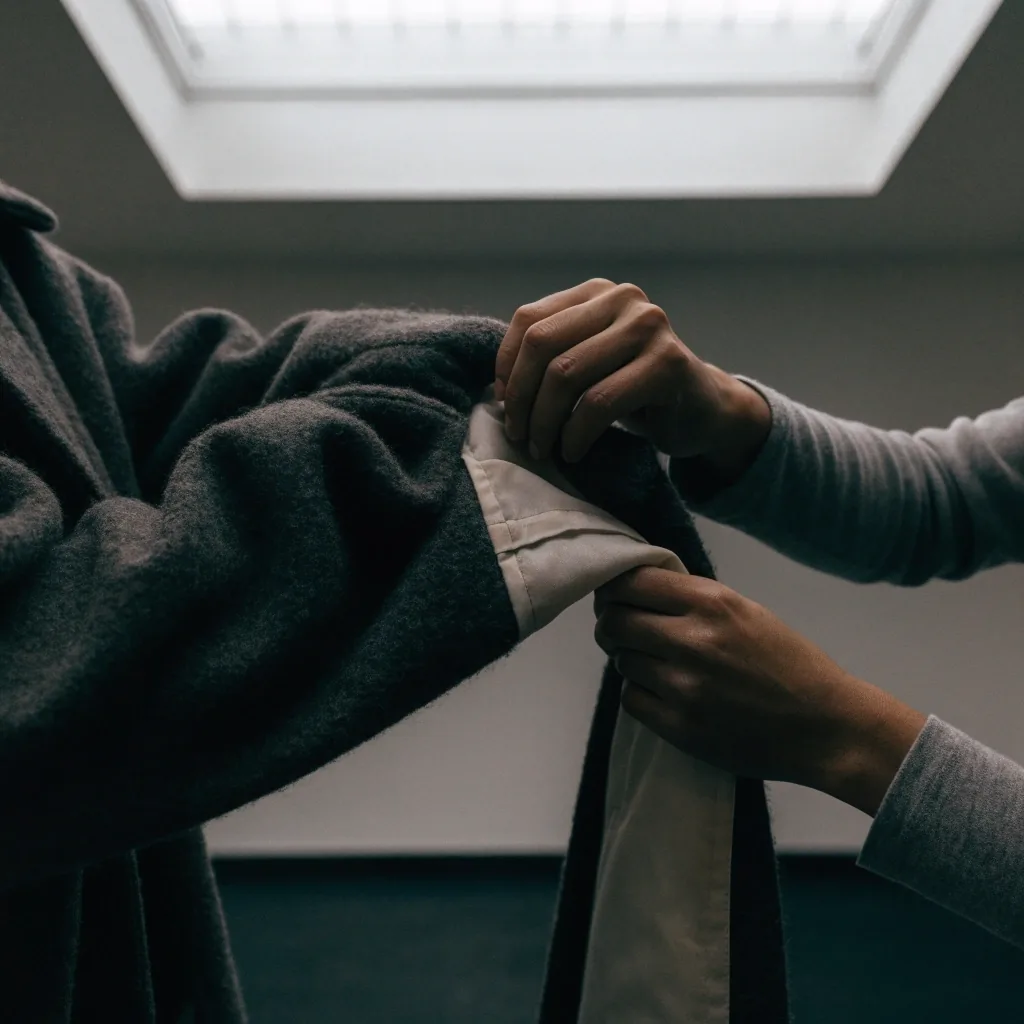
If you are sending materials for a brand note, plain information is more useful than a campaign. Tell us what changed in the collection and how the house describes its own direction.
A note that answers one question well beats a press file that answers none.
How long a reply takes
We aim to respond to substantive messages within a few business days. Corrections get priority, since a published error affects readers directly. General questions may take longer during the seasonal show periods, when most of our writing time is committed.
If you have not heard back in about a week, feel free to resend. Messages occasionally get filtered, and a second note costs nothing. Including the page or section your question concerns in the subject line helps it survive that filter.
What we can't help with
We cannot advise on where to buy a specific piece, give sizing recommendations for a particular garment, or confirm whether a product you are considering is authentic. We also do not take requests to remove coverage of a brand, and we do not publish sponsored content.
For anything involving a purchase, a return, or a customer service issue, the retailer or the brand is the right contact. Nothing on this site is connected to a transaction, so we have no order to look up and no record to change.
Editorial desk
452 W Broadway, New York, NY 10012, USA
+1-212-555-0198
[email protected]
Monday–Friday, 9:00 AM – 6:00 PM
Before you write
Three questions that come up most often, answered here so you can skip the wait.
Should I send a correction even if I am not certain?
Yes. Say what you noticed and what makes you unsure — a screenshot of a different season, a fabric that behaved differently than described, a date that does not line up. A half-formed note still gives us a place to start checking.
Will you tell me where I can buy something I saw in a piece?
No, and it is not a brush-off. Nazso reads clothing rather than selling it, so we hold no stock, no sizing charts, and no order records. The brand or retailer named in the piece is the right place to ask. What we can explain is how the garment is cut, what the fabric does over a season, and why we placed it where we did.
Can a brand ask you not to cover it?
A brand can send us facts, a correction, or a clarification of its own stated direction, and we will read and weigh all of it. What it cannot do is set conditions on what we publish or ask that coverage be removed. Editorial decisions stay with the editors.