Wardrobe guides for a capsule that works
Building a wardrobe that functions, not one that photographs well — base pieces, outerwear, knitwear and denim, plus the fit and proportion decisions that let them combine.
A capsule is a system, not a number
These guides are about building a wardrobe that functions. We cover base pieces, outerwear, knitwear and denim, then explain the fit and proportion decisions that let those pieces combine. There are no shopping links and no brand deals — just the logic of what goes with what, and why some combinations hold while others quietly stop working.
A capsule isn't a fixed number of garments. It's a system where most pieces work with most other pieces, which means the choices you make about fit and fabric matter far more than the quantity you own. Four pieces that agree with each other will out-dress twenty that don't.
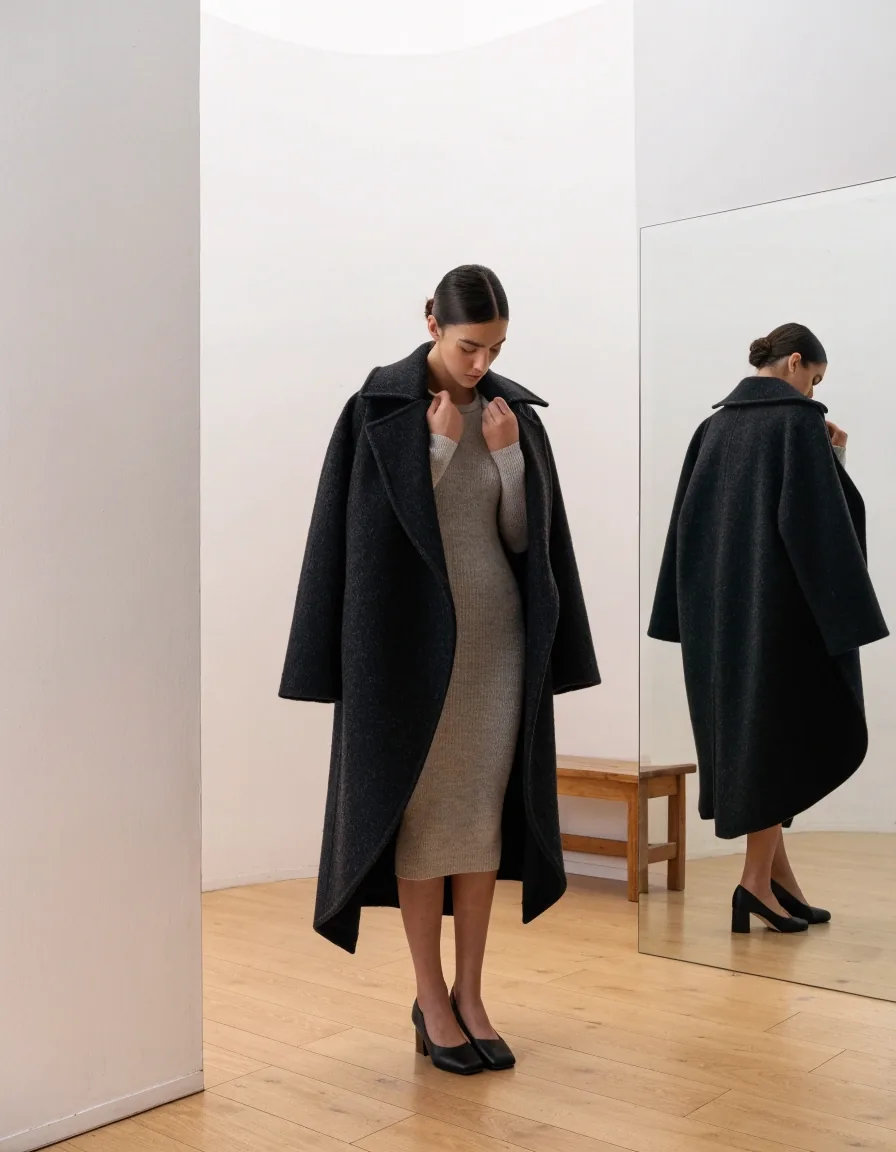
Outerwear sets the shape; everything else answers
Outerwear determines the silhouette of almost every cold-weather outfit, which is why it deserves the largest share of attention. A coat or jacket defines shoulder line, length and volume, and the layers underneath adapt to it rather than the reverse. Buying outerwear last, after the rest of the wardrobe is settled, is usually a mistake for this reason.
Length is the decision to make first. A short jacket creates contrast with longer layers, while a longer coat creates a continuous line. Both work, but they call for different pieces underneath. Across the US, where winter conditions vary enormously by region, the practical answer is often one serious coat and one lighter jacket rather than a rack of options.
Base pieces, and why fit decides everything
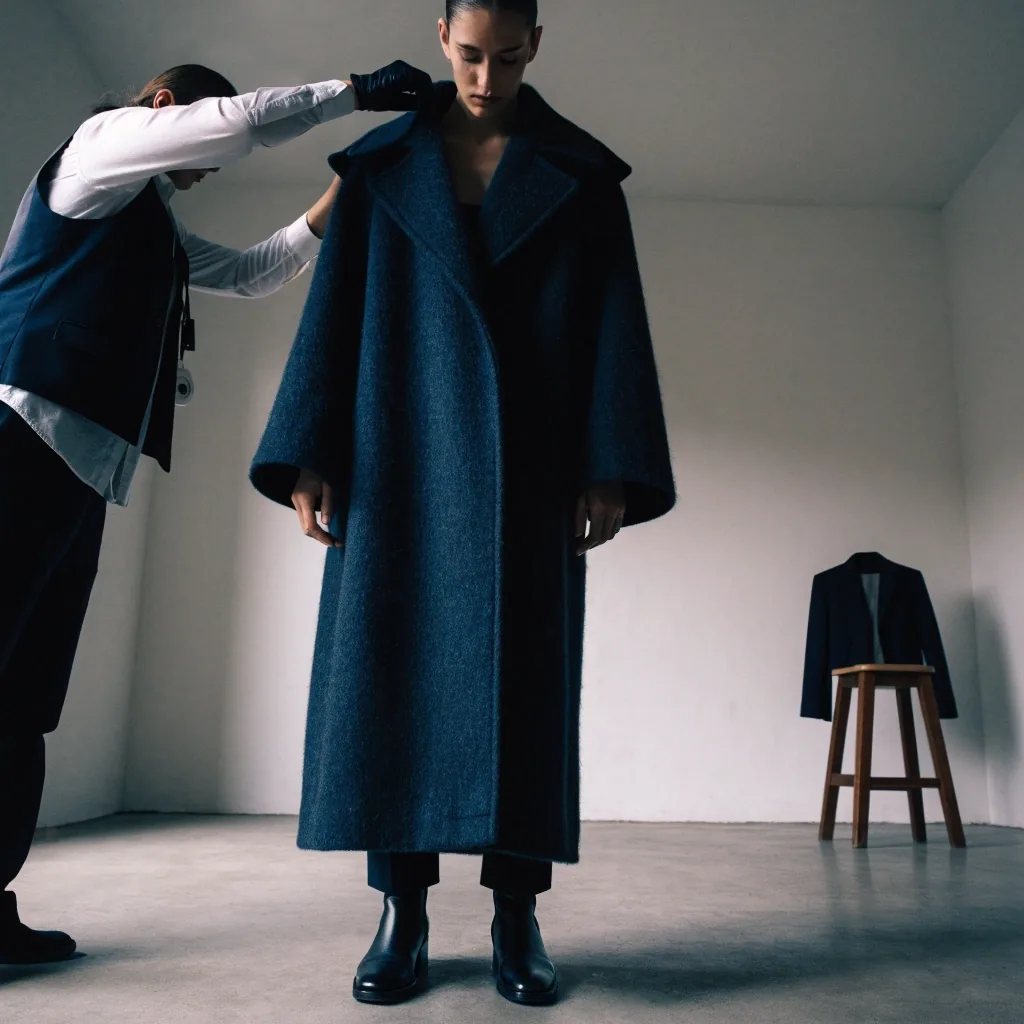
Base layers are the least visible and most consequential part of a wardrobe. A shirt, a fine knit, a plain tee: these set the line that everything else sits on, so fit problems here cascade upward. If a base layer bunches under a jacket, no amount of styling fixes it.
The practical test is movement. Raise your arms, sit down, reach across a table. A base piece that stays put through all three is doing its job. Fabric weight matters too, since a heavier base changes how a mid layer fits, and most layering failures trace back to a base that's slightly too thick for what sits over it.
A shirt that holds its line
Test the shoulder seam and the underarm before anything else — that's where bunching starts.
Sits closest
Fine-gauge knit as a base
Thin enough to disappear under a jacket, warm enough to carry a room on its own.
Layers easiest
The plain tee, judged by weight
A mid-weight cotton keeps its shape; a heavy one pushes the layer above it out of place.
Most replaced
Knitwear: gauge, weight and layering
Knitwear is where texture enters a wardrobe. Gauge and weight determine whether a knit works as a base, a mid layer, or a standalone piece, and getting that assignment right prevents most layering problems. Fine-gauge knits sit close and layer easily. Chunky knits need room and work better as the outermost visible layer indoors.
Care affects this more than people expect. A knit that pills after three wears loses its place in the rotation, which is why we cover washing and storage on the materials and care page. Wool and cotton blends behave differently over time, and a wardrobe built on knits that hold their shape needs fewer replacements.
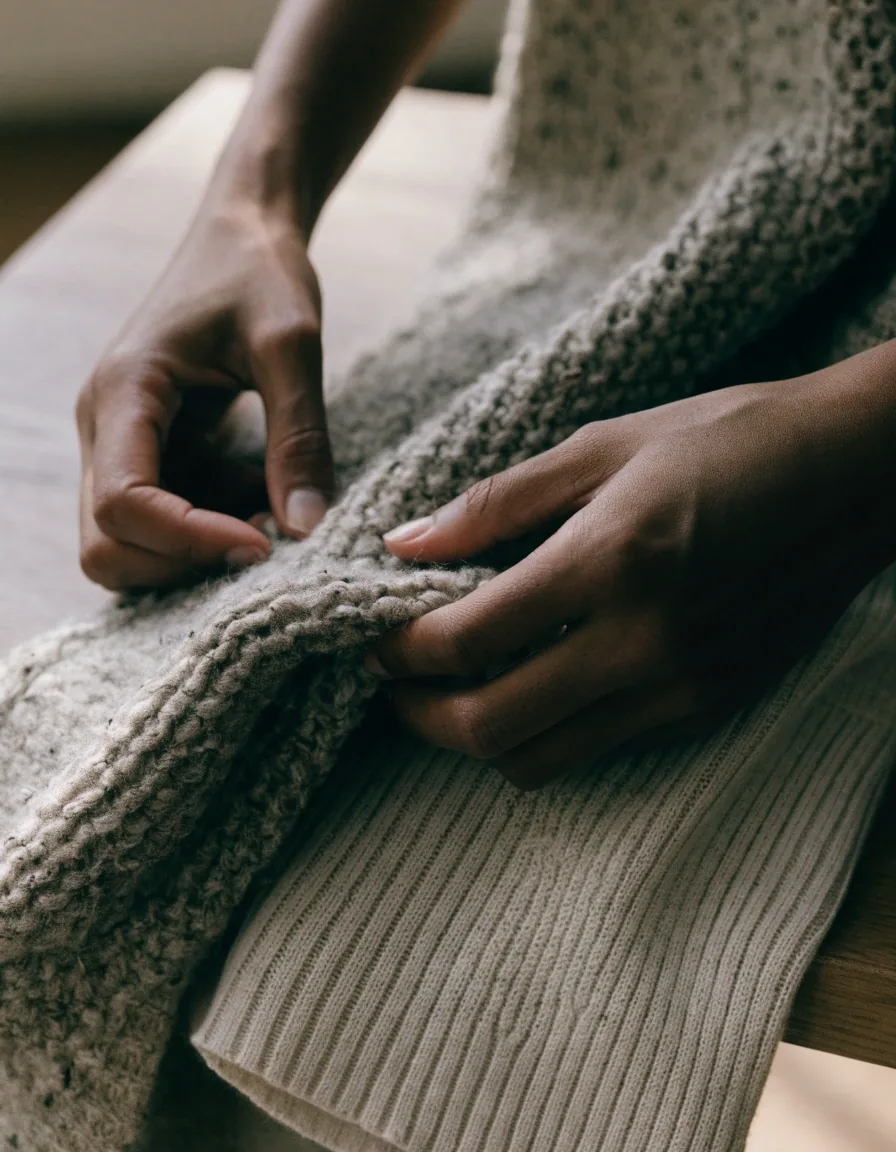
Gauge decides the job a knit can do in a rotation.
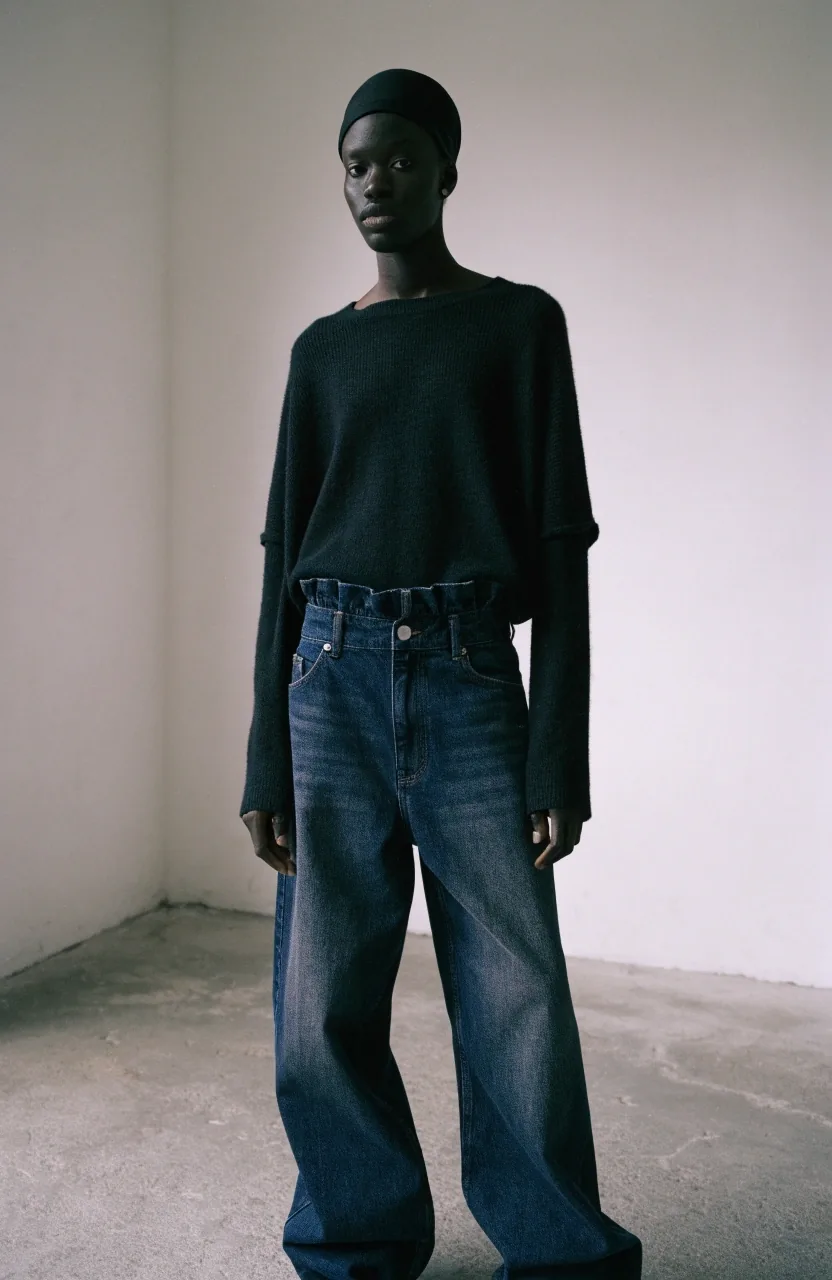
Denim and the rise question
Denim is the most personal category in any wardrobe, and rise is the decision that changes everything else. A higher rise shifts the visual waistline and works with tucked layers and shorter jackets. A lower rise changes how tops sit and pairs differently with cropped outerwear. Neither is objectively better; they simply produce different proportions.
Fabric weight matters as much as cut. Heavier denim holds a line and ages visibly, while lighter denim drapes and reads more casually. For a capsule, one dark, structured pair and one relaxed pair covers most situations, from an office day to a weekend. Fit at the waist and hip matters more than the label inside.
Combining layers without bulk
Layering fails when every layer is doing the same job. The reliable structure is a thin base, a mid layer for warmth or texture, and an outer layer for shape. If the outer piece is visually strong, the layers underneath should stay quiet, and if the outer piece is plain, the mid layer can carry the interest.
The structure
Thin base, mid layer for warmth or texture, outer layer for shape. Three jobs, three pieces — when two layers do the same job, the outfit gains bulk and loses line.
Try the tuck before you try a new garment
Order matters too. Tucking a base layer changes where the waistline sits and how the outer layer falls. Leaving it out creates a longer, looser line. Try both with the same three pieces before deciding a layering formula doesn't work; often the difference is one adjustment rather than a new garment.
If the combination still reads wrong after both versions, the problem is usually the base layer's thickness or the outer layer's length — not the colour story, and not you.
Proportion rules worth remembering
Two proportions govern most outfits. The first is top-to-bottom balance: a voluminous top calls for a narrower bottom and the reverse. The second is where the waistline reads, which is set by rise, tuck and jacket length together. Get those two right and the outfit looks intentional even when the pieces are simple.
The common mistake is treating proportion as a rule about body shape. It isn't. It's about the relationship between garments, and it changes with every combination. A short jacket that works over a midi skirt may not work over wide trousers, and that's information about the garments, not about you.
Balance
Volume on top wants a narrower leg. Volume below wants a closer top. Equal volume on both ends reads as a block.
Waistline
Rise, tuck and jacket hem decide where the eye stops. Change one and the whole proportion shifts.
Test it
Swap one garment, not the whole outfit, and see which proportion moved.
Building around a climate
A wardrobe that ignores where you live is a wardrobe that stays in the closet. A reader in the Northeast needs a serious coat and real knitwear; a reader in Southern California needs lighter layers and fewer of them. The structure stays the same, but the weights and quantities shift substantially.
The efficient approach is to build the base and mid layers for your actual indoor environment, then invest in outerwear for your actual outdoor one. Most days are spent indoors, which is why the layers you remove matter as much as the coat you keep on.
When to replace rather than add
Adding is the default response to a wardrobe problem, and it's often the wrong one. If outfits aren't combining, the issue is usually fit or proportion in pieces you already own, not a missing item. Check whether your base layers fit properly and whether your outerwear length supports the rest before buying anything.
Replacement is the right move when a garment has genuinely stopped performing: stretched knitwear, denim that no longer holds shape, a coat whose lining has gone. Those are functional failures, not style ones. Treating them as replacements keeps a wardrobe stable instead of steadily growing.
Questions readers send the desk
How many pieces should a capsule actually contain? Open
There is no target number. A capsule works when most pieces combine with most others, so a smaller set that shares the same proportions beats a larger set that doesn't. Start with what you already wear most, then fill the gaps that stop combinations from happening.
Should outerwear really be chosen after everything else? Open
Choose the length and volume of your outerwear first, then fit the layers underneath to it. A coat sets the shoulder line and hem, and base pieces that were bought for a different silhouette will fight it. If you already own the coat, work backwards from its hem when you test a mid layer.
How do I tell if a knit has stopped performing? Open
Look at the cuff, the neckline and the underarm. If those areas have stretched or thinned, the knit will keep distorting the layer above it no matter how you style it. That's a functional failure, and replacing it restores the rest of the rotation.
Does a higher rise suit everyone? Open
Rise isn't a rule about bodies; it's a decision about proportion. A higher rise shortens the visible torso and works with tucked layers, a lower rise lengthens it and pairs better with cropped outerwear. Judge it against the tops and jackets you actually wear.

Keep reading, or ask the desk
These guides sit alongside our trend and brand notes, and the care questions that decide how long a wardrobe actually lasts. If a combination still isn't working after you've tested the tuck and checked the base layer, write to us — the desk reads every note and answers the ones that need a specific call.
Nazso, 452 W Broadway, New York, NY 10012. Monday to Friday, 9:00 AM – 6:00 PM.